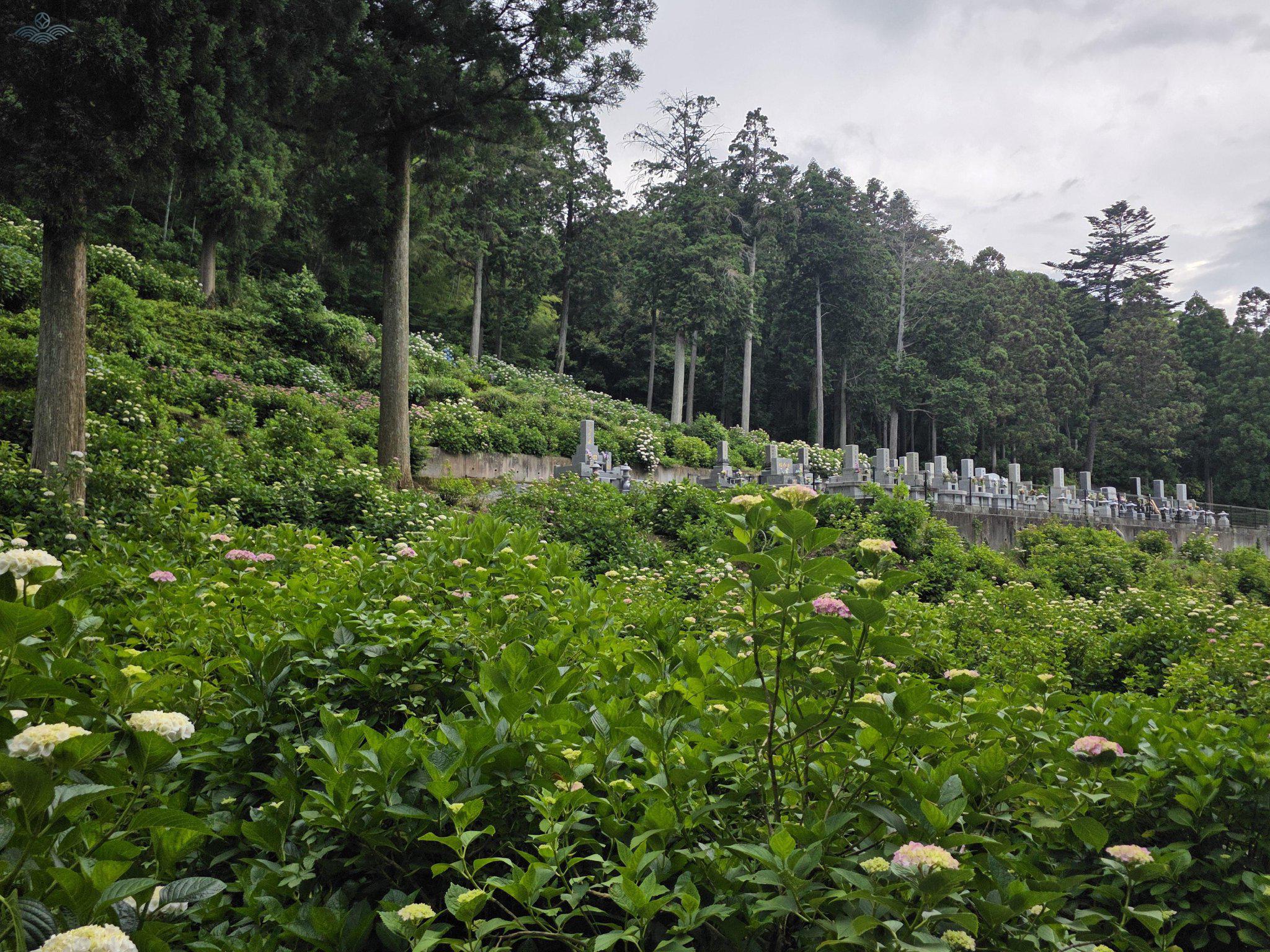
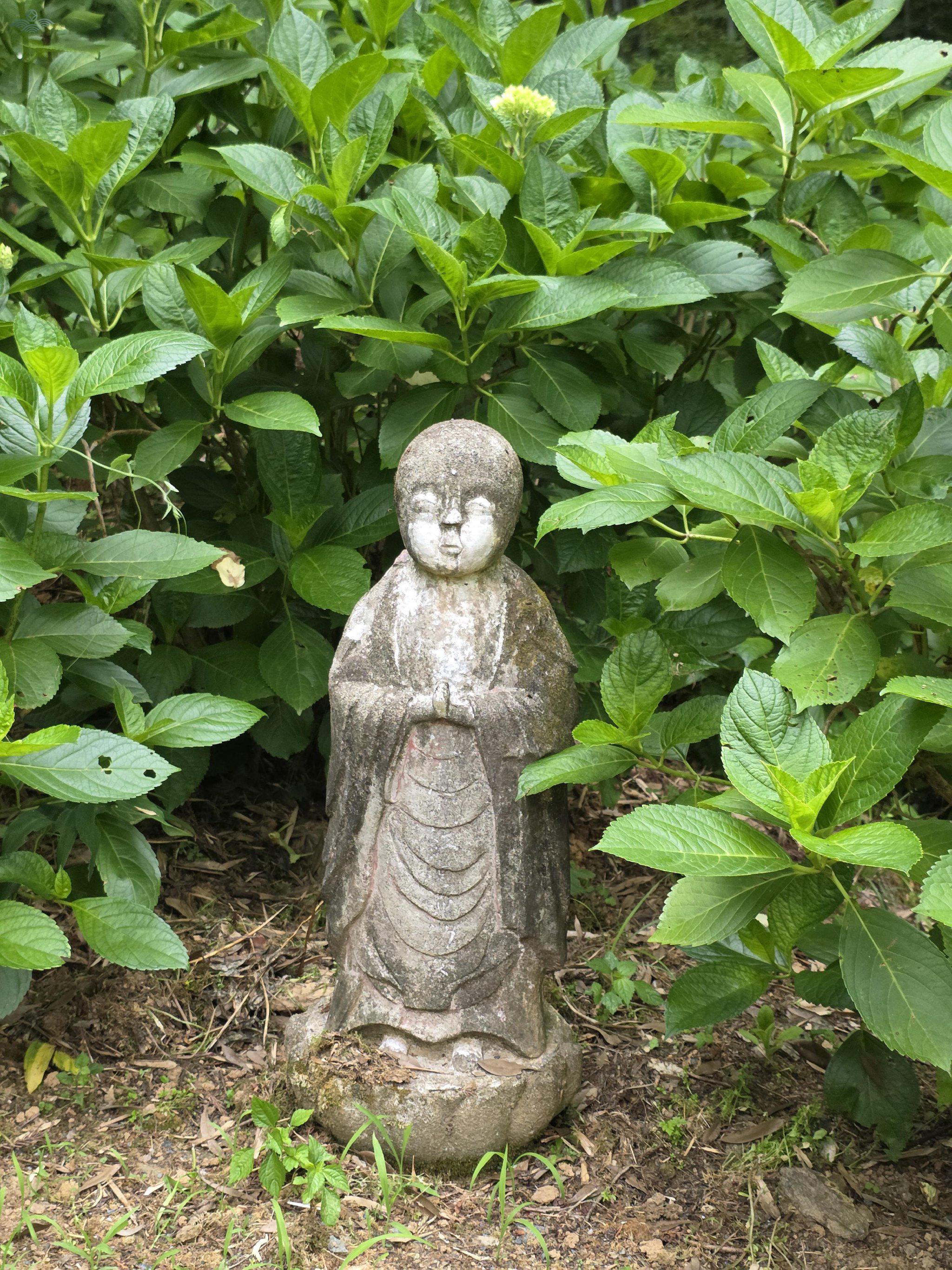
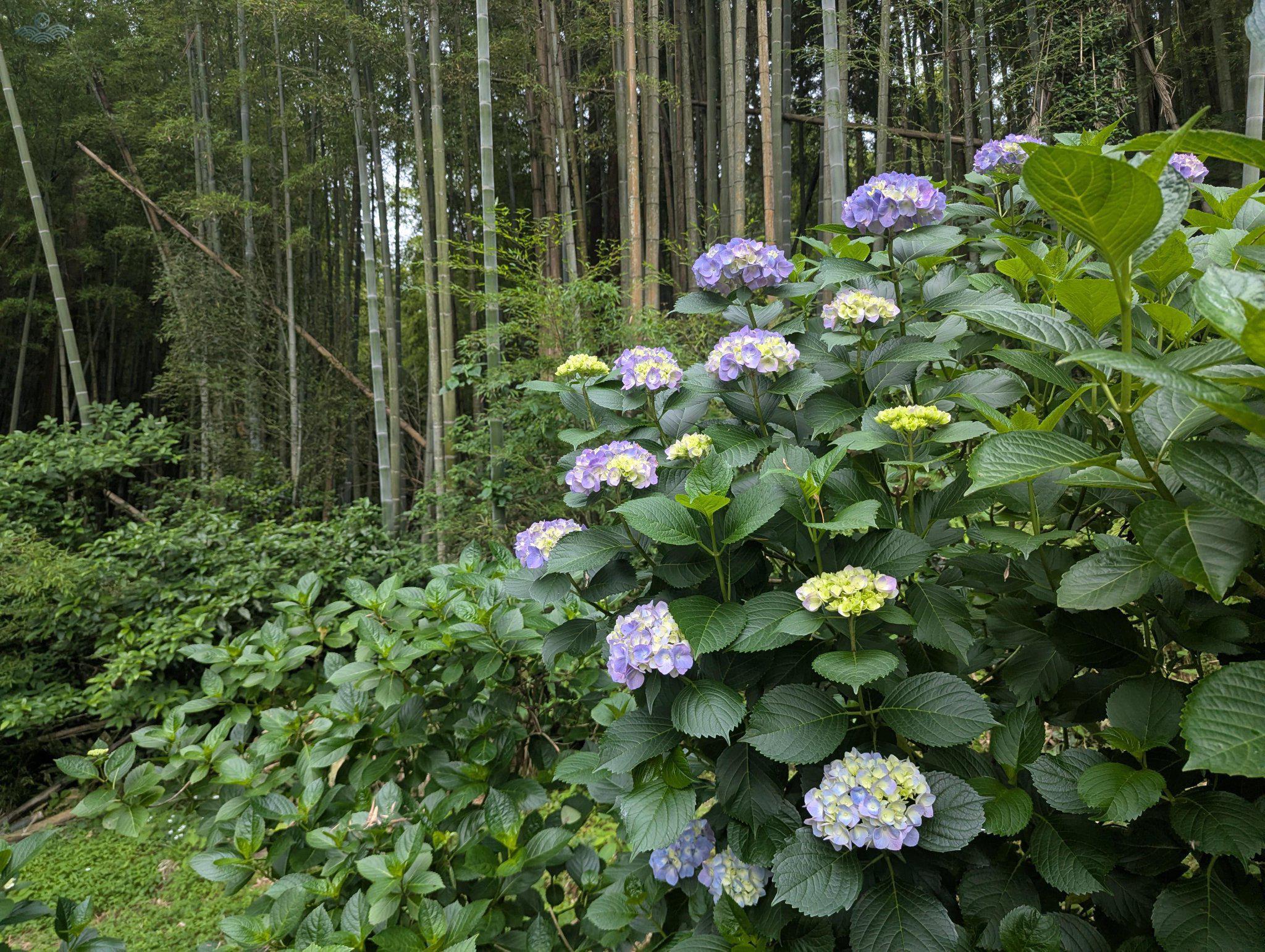
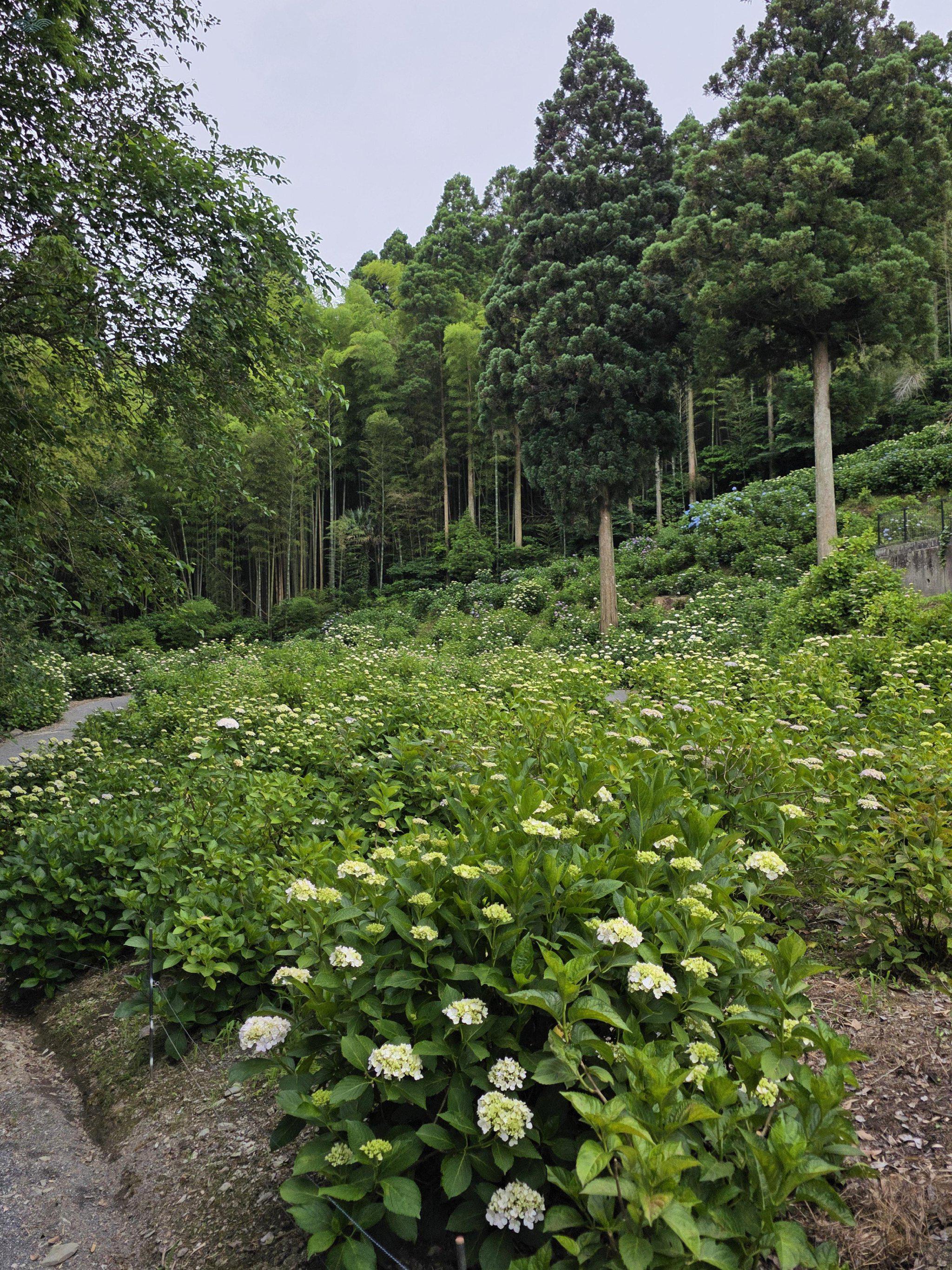
In Japan, hydrangeas have been planted near Buddhist temples since the 17th century. The flowers bloom during the tsuyu rainy season, when deaths were more frequent, and monks regarded them as offerings to the souls of the deceased. Later, some temples planted hydrangeas on a large scale for visitors to admire and as a symbol of the rainy season. These temples are known as ajisai dera, or hydrangea temples.
How to get there
From Kurume Station on the JR Kagoshima Line or Nishitetsu Tenjin Omuta Line, take Nishitetsu Bus No. 25 and go to Yamamoto Community Center-mae bus stop or Yanagisaka bus stop. It’s about a 10-minute walk from there. Alternatively, from Nishitetsu Kurume stop, take Bus No. 20 to Kurume Ryokka Center-mae, then walk for 25 minutes straight to the temple.
About the temple
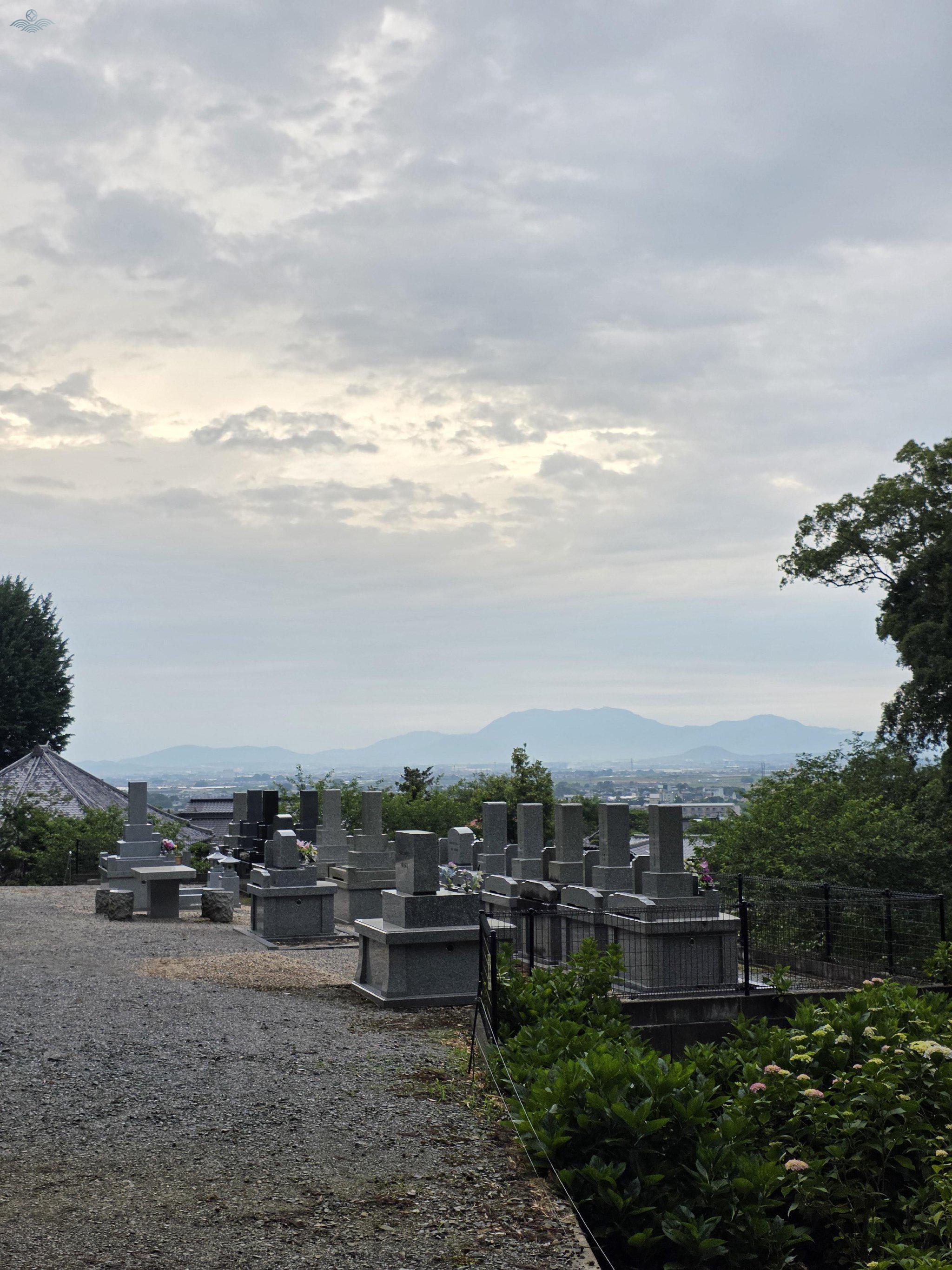
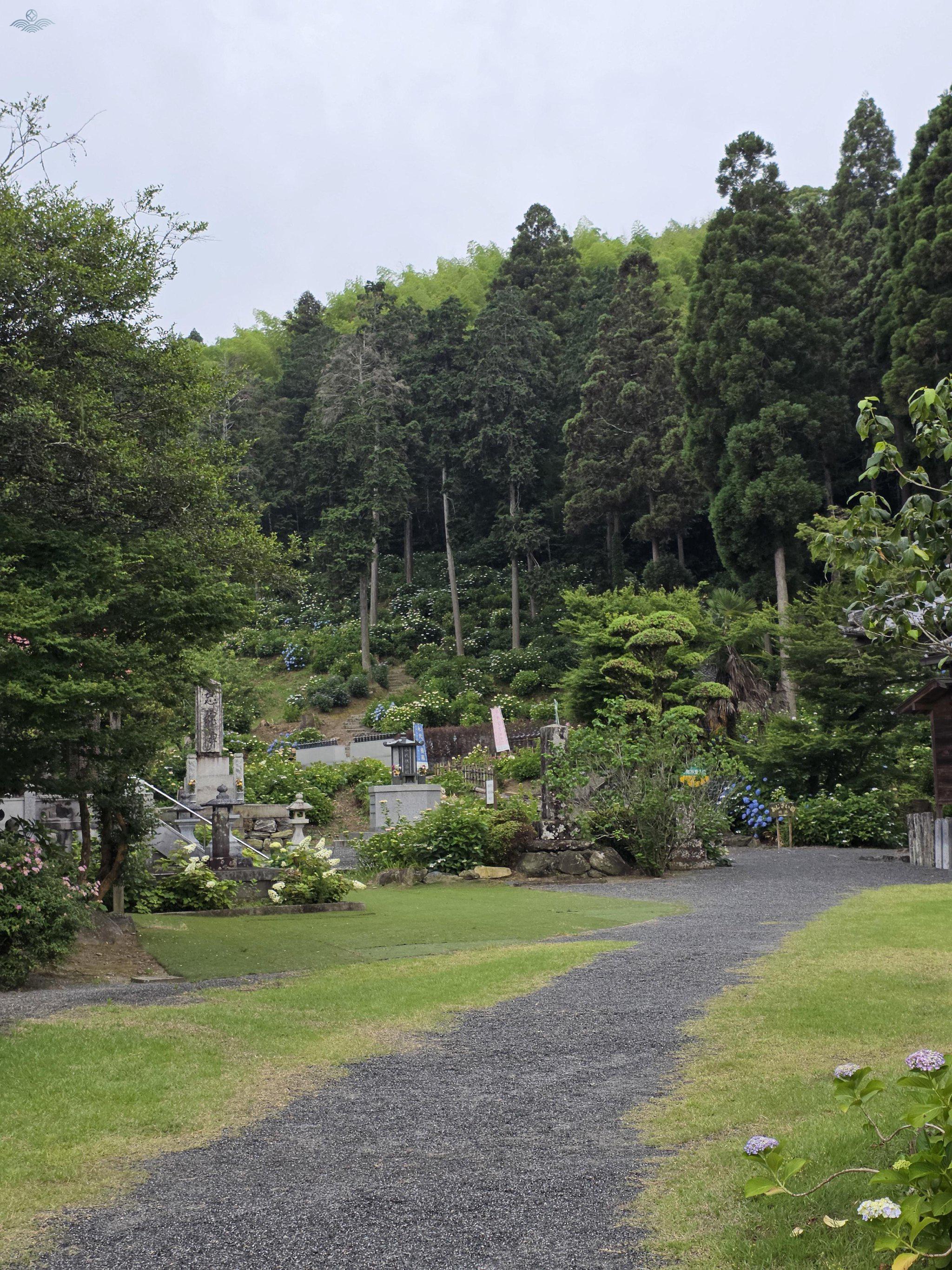
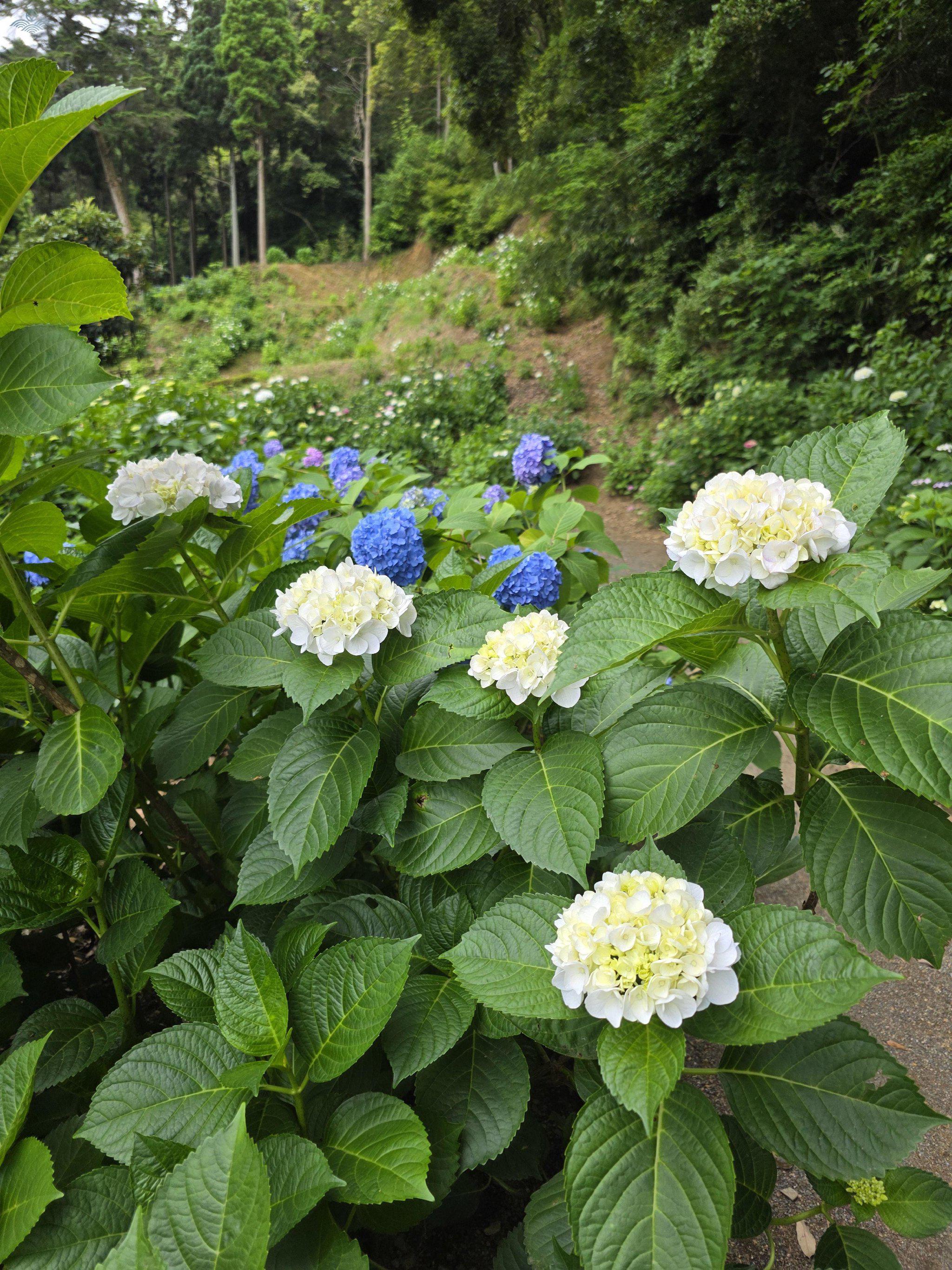
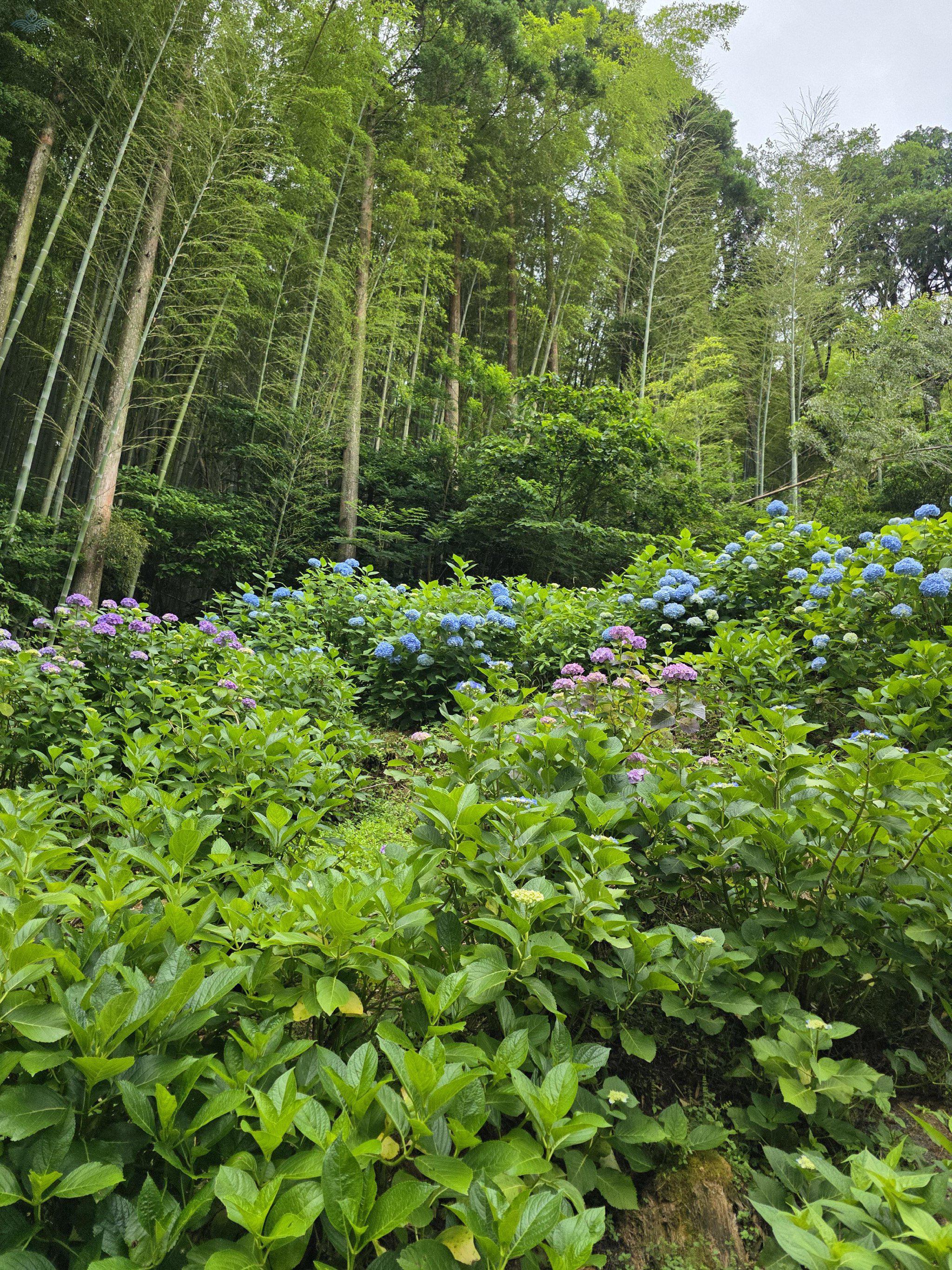
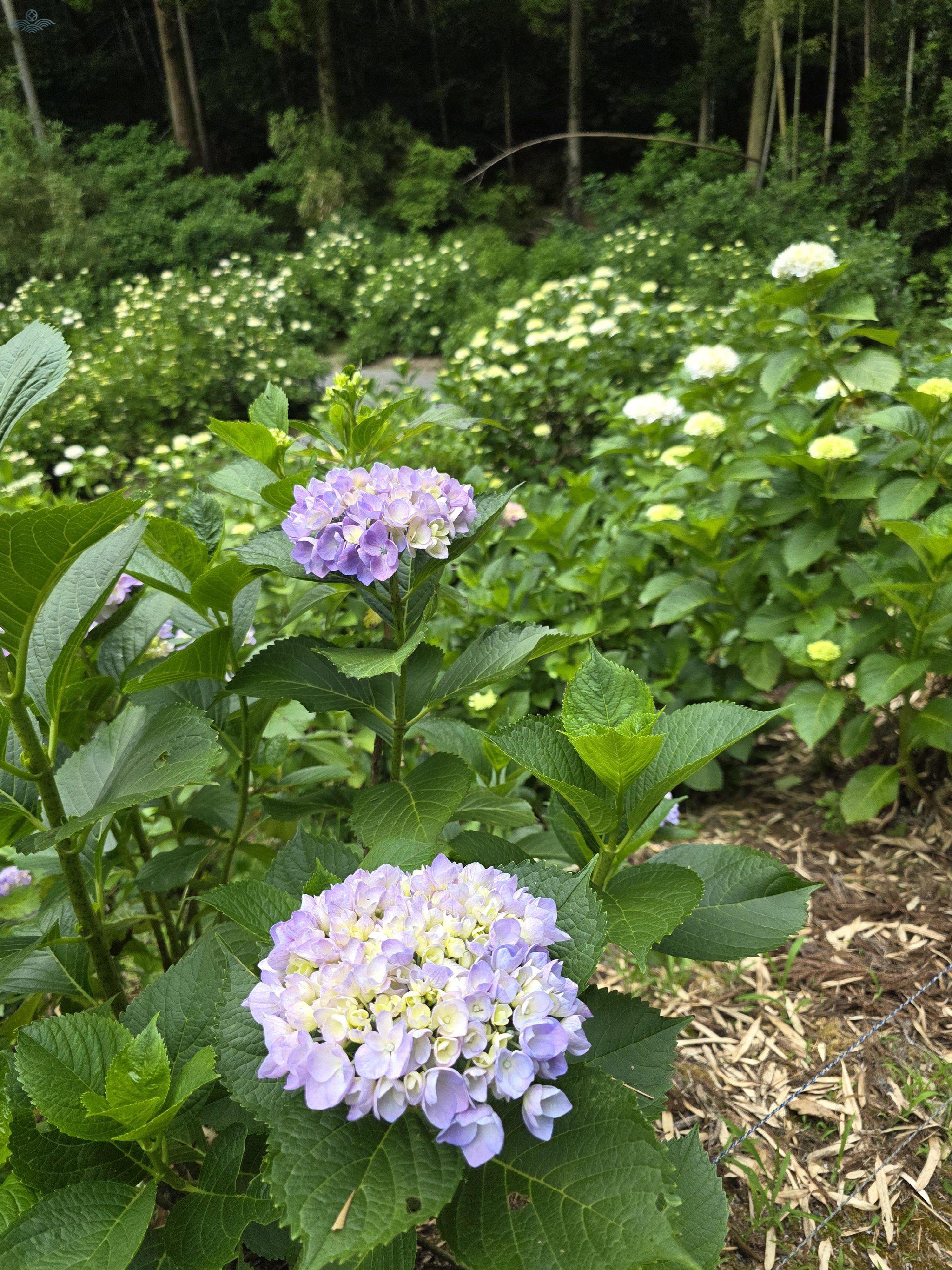
Ryugozan Senkoji is a Buddhist temple founded in 1192 by Zen master Eisai at the foot of Mount Mino. In 1420, the temple received an imperial plaque granting it the honorific name Ryugozan. The inscription, written by Emperor Go-Komatsu, is believed to offer protection from disasters. The temple bell bears an inscription referring to the Northern Court and is designated a cultural asset of Fukuoka Prefecture. Behind the temple are the mausoleum and grave of Prince Kaneyoshi, along with memorial towers honoring other military figures. Today, the temple is best known for its 7,000 hydrangea bushes in many shapes and colors. Together with the bamboo forest surrounding the temple on three sides, they create a picturesque landscape. The temple gates offer a view over Kurume, particularly at sunset, when visitors may also hear the temple bell.
Practical tips
The best time to visit is during the summer hydrangea festival. In 2026, it ran from June 6 to 28, with opening hours of 8 a.m. to 6 p.m. During the festival, admission cost 400 yen for high school students and adults; elementary and junior high school students entered free. Check the official tourism website for bloom updates and dates for the next festival.