
How to get to Tokyo
The fastest way is by train on the Tobu Railway line from Tobu-Asakusa Station to Nikko Station. All seats are reserved, so you can buy them in advance at the station ticket office or online. Online, tickets may be sold as full-price or as reserved-only, allowing you to pay the second portion in cash upon arrival.
JR (Japan Railways) from Ueno Station (JR Yamanote → Utsunomiya Line) to Utsunomiya, then transfer to the JR Nikko Line to Nikko.
Bus. From Tokyo Station Yaesu Exit (bus terminals) to Nikko. Direct route, convenient if you’re traveling with a lot of luggage.
Main Attractions
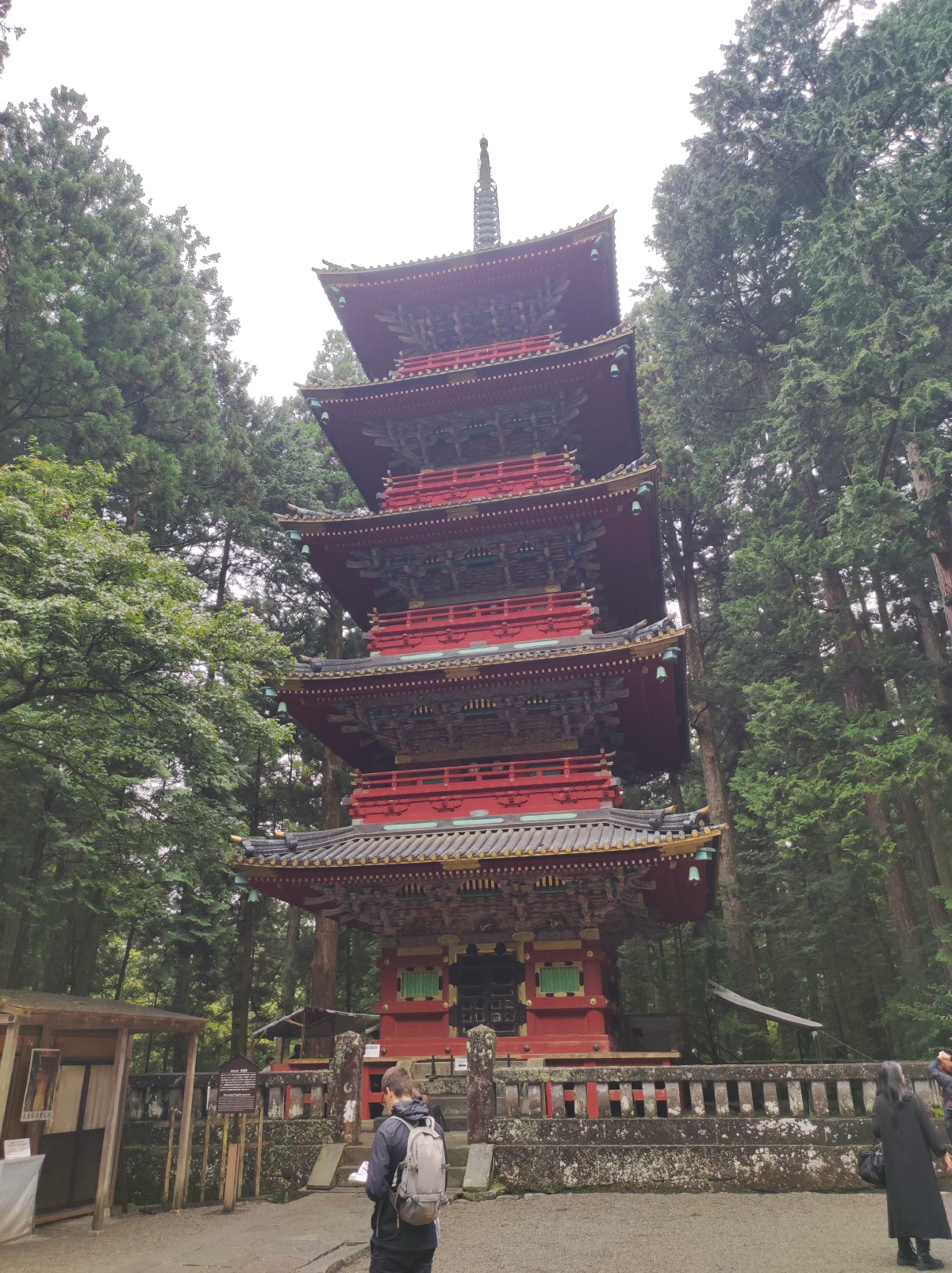
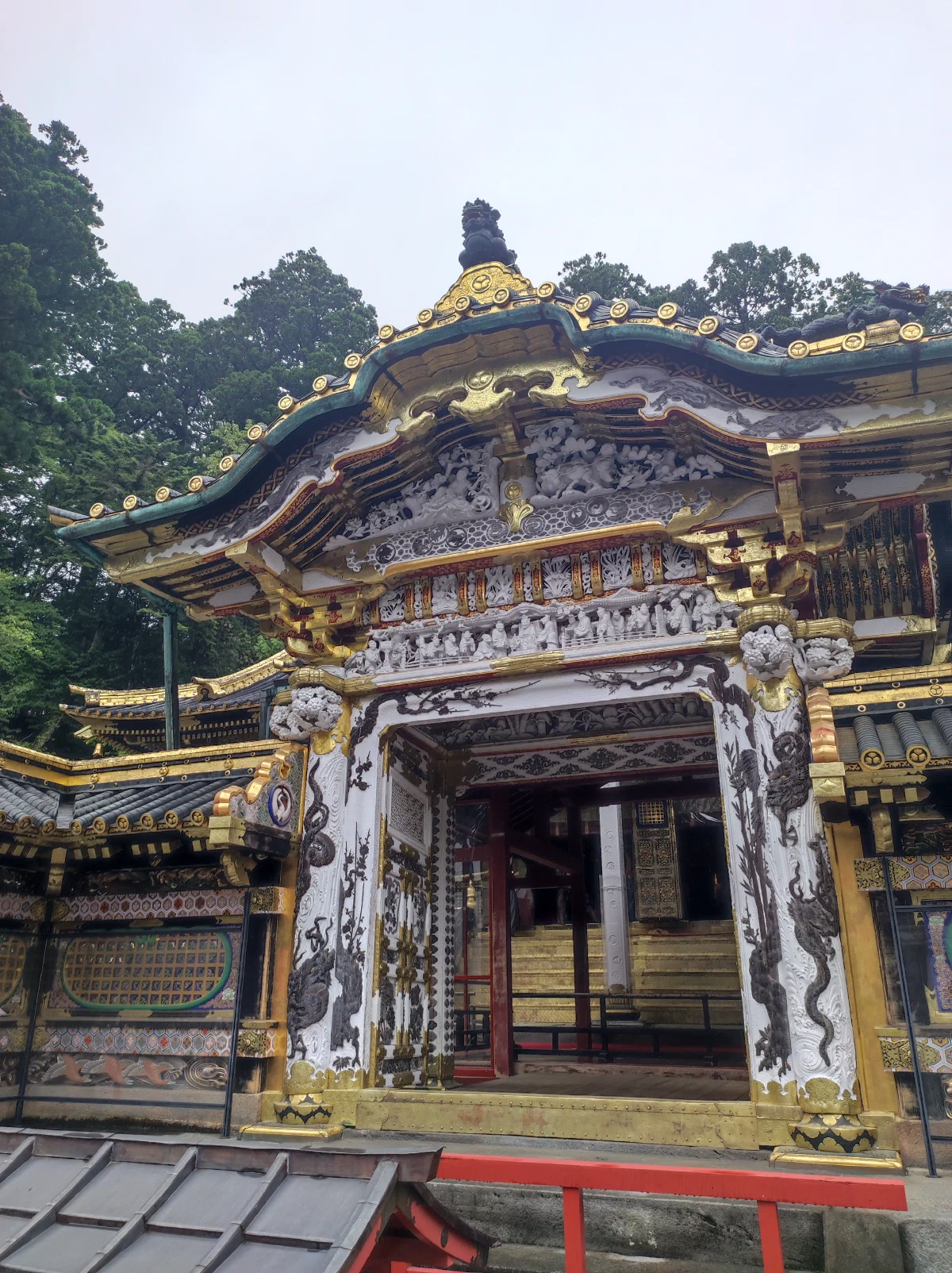
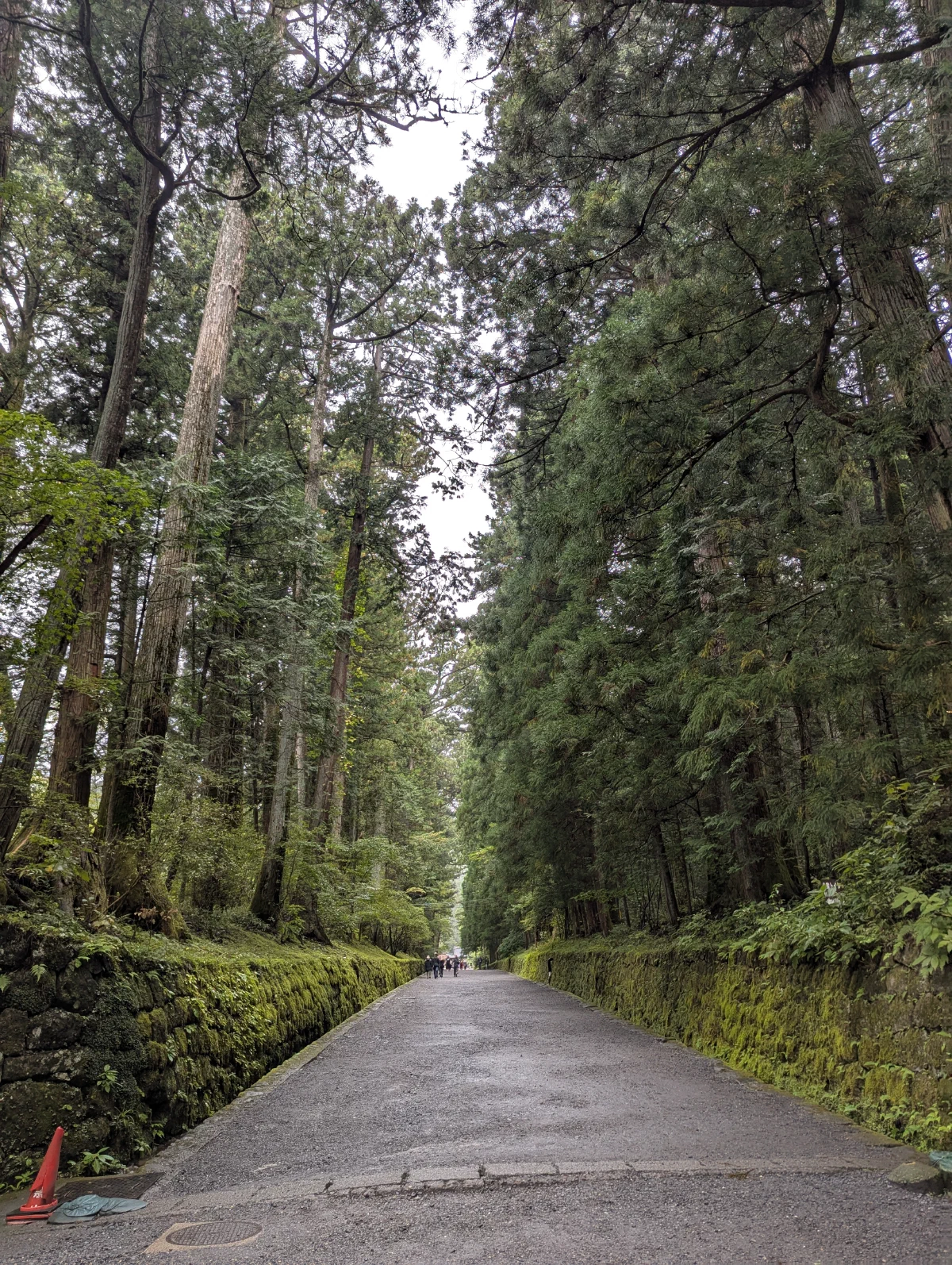
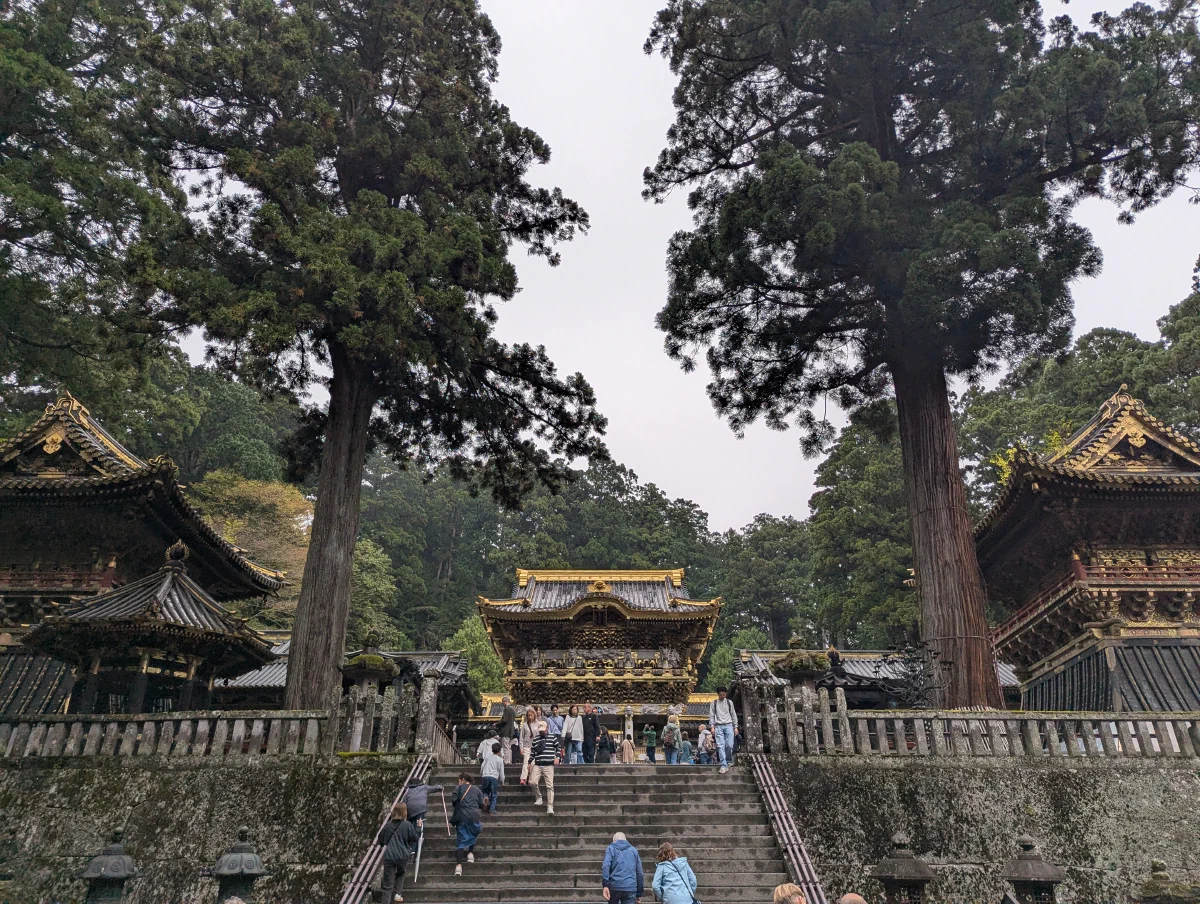
- Toshogu Shrine. A UNESCO World Heritage Site built in honor of Shogun Tokugawa Ieyasu. Famous carved details: “Rabbits,” “Frogs,” and “Five Rings.” Open daily, entrance fee around ¥1,300. There’s usually a queue at the terminals, but there are windows on the right for those who have purchased online, so you can buy and exchange a QR code for a ticket on the spot.
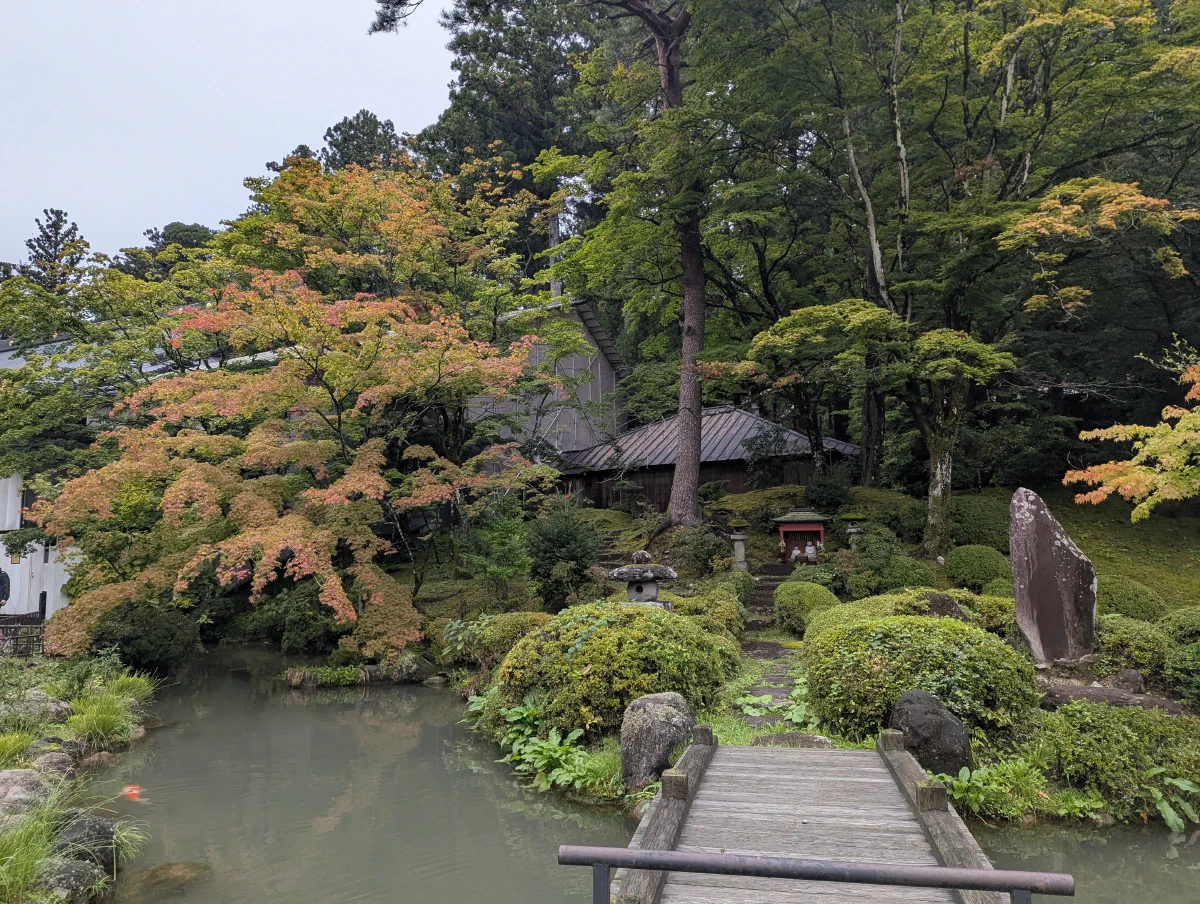
- Rinnoji Temple (Rinnoji Temple) The main Buddhist temple of the complex, founded in the 8th century. Worth visiting after Toshogu to see the golden Honkodo hall.
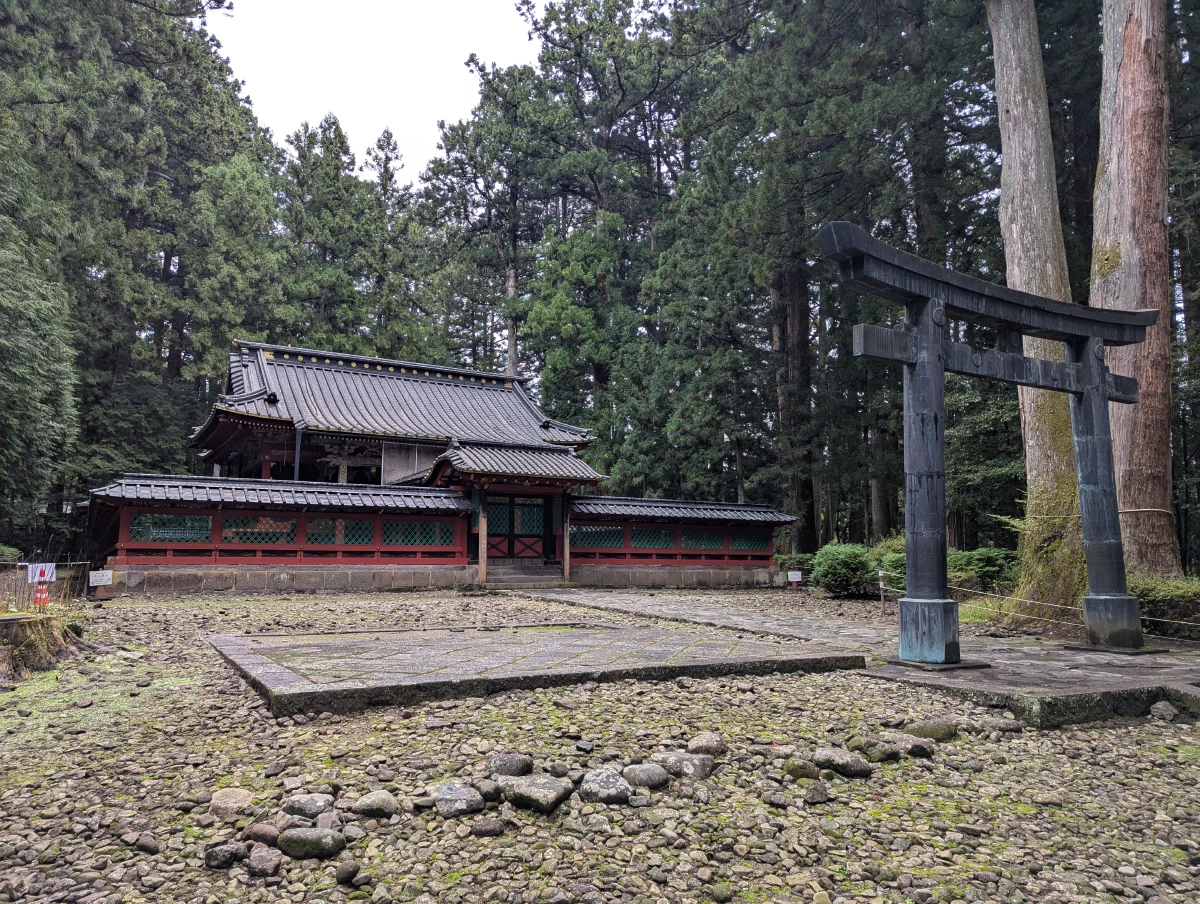
- Futarasan Shrine is dedicated to the gods of mountains, forests, and rivers. There is a small trail on the grounds leading to the summit of Mount Nakano.
- Kegon Falls (height 97 m) is visible from the viewing platform and from a boat on Lake Chuzenji. In summer, a rainbow often forms in the spray.
- Lake Chuzenji is located at the foot of Mount Nakano, making it an excellent spot for boat rides and picnics. There are several cozy cafes around the lake offering scenic views.
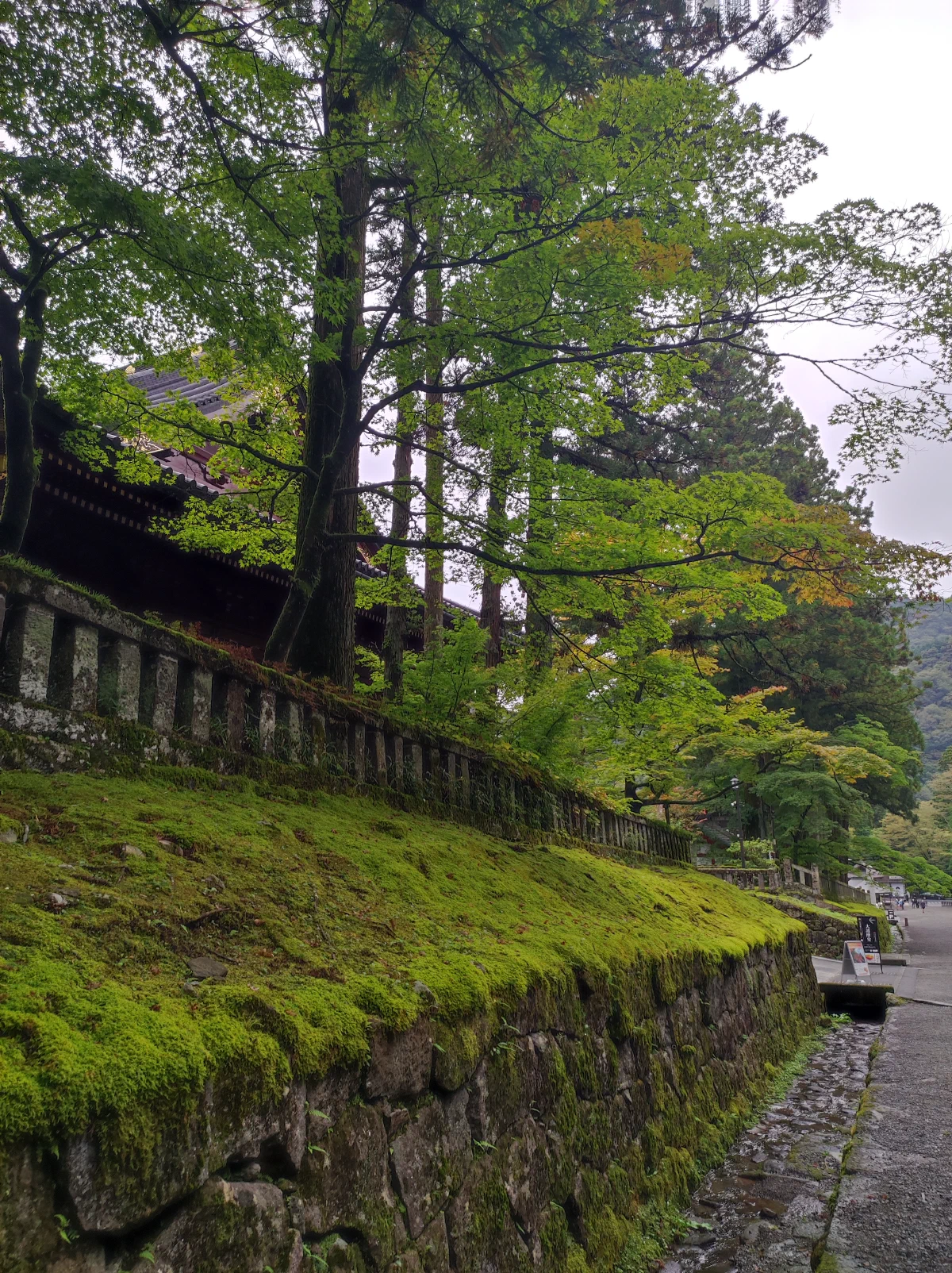
- Nikko National Park offers trails of varying difficulty, from easy walks along the river to hikes to mountain peaks (such as Mount Kanō-Daidzan). In spring, cherry blossoms bloom, and in autumn, the foliage turns vibrant red.
- Nikko Tamozawa Imperial Villa Memorial Park Museum of Art — a former imperial residence where you can see traditional interiors and gardens.
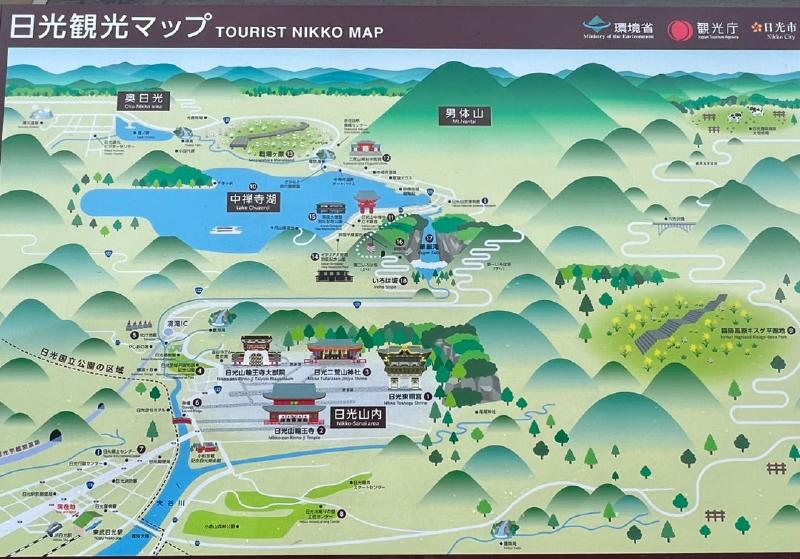
If you want to take a boat ride in Chuzenji, there are several services to check boat rentals in advance:
Akechidaira Ropeway is temporarily closed until August 31, 2027.
Practical Recommendations
Best time to visit: late April to early May (cherry blossoms) and October to November (red foliage). In winter, the waterfall is frozen, creating a unique atmosphere, but roads can be slippery. Lunch: try local yuba (tofu curd) – a regional delicacy. Restaurants near Lake Chuzenji offer “yuba set” meals with rice and vegetables. Tickets: many temples sell combined passes (Tosho-ji + Rinnoji + Futarosan), saving time in queues. Clothing: even in summer, the mountains can be cool, especially in the morning and evening, so bring a light windbreaker. Transport within Nikko: Nikko Bus lines connect the main attractions. There are several zone passes that may be useful.
Brief one-day route itinerary
- 08:00 – Departure from Asakusa (Tobu Spacia).
- 10:30 – Arrival in Nikko.
- 10:45–12:30 – Tosho-ji → Rinnō-ji → Futarosan (walk through the historic center).
- 12:30–13:30 – lunch at the riverside restaurant (I recommend the yuba set).
- 13:45–15:00 – trip to Kegon Falls, viewing from various vantage points.
- 15:30–17:00 – walk around Lake Chuzenji, boat rental available.
- 17:30 – return train to Tokyo.
If you prefer a more relaxed getaway, spend half a day in the national park or stay overnight in one of the traditional ryokans by the lake.
Additional day
If more than one day is planned, you can stay at one of the onsen hotels. Yumoto-onsen is on the way to Lake Chuzenji, or Kinugawa-onsen is on the way to the city.